
7 Questions to Ask Yourself When Designing an Outdoor Living Space
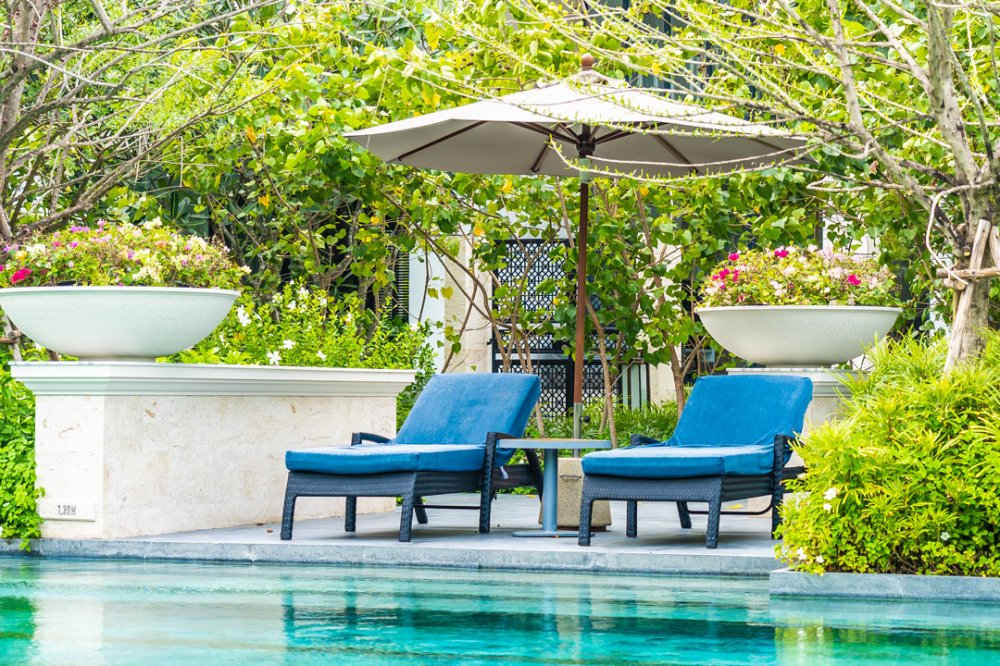
With good weather around the corner, it’s the perfect time to explore the art of designing outdoor living spaces. Whether you’re in the process of customizing your new home or you’re enhancing the landscaping around the one you’re in, we think these seven questions will help you make the most of your property.
1. Is It a Trend or Is It Timeless?
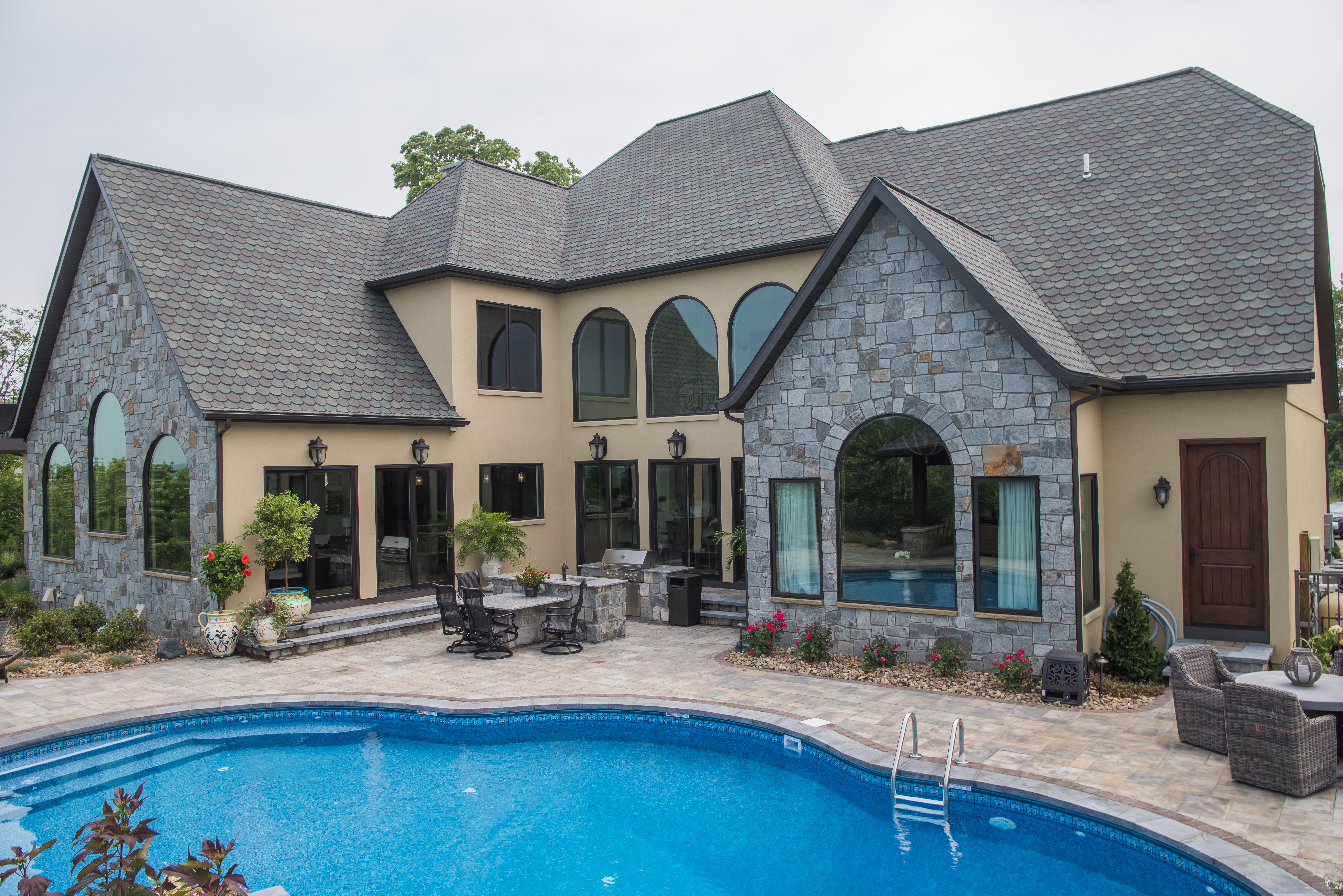
There is nothing wrong with exploring a new design aesthetic and integrating it into your living space. But it’s important to consider how your future self will feel about it, especially since the price tag on most outdoor living spaces is substantial. If you’re okay with a refresh every few years, then trending outdoor living aesthetics are great. But if you’re envisioning more of a one-and-done kind of investment, then you want to consider styles that endure the test of time.
In general, timeless outdoor living spaces prioritize durable natural materials, neutral color palettes, and functional, classic layouts that blend with the home’s architecture. Key building materials include brick, stone, and wood.

2. Is It About Joy or ROI?
It’s important to note that most outdoor projects aren’t going to deliver a massive return on investment (ROI). According to the Remodeling Impact Report: Outdoor Features report from the National Association of Realtors®, most outdoor projects beyond standard lawn care and landscape management are more about increasing home satisfaction and improving livability than a real estate investment. Case in point:
| Remodeling Project | Cost Recovery | Joy Score |
|---|---|---|
| In-Ground Pool Addition | 56% | 10/10 |
| Fire Feature | 56% | 9.7/10 |
| Landscape Lighting | 59% | 10/10 |
| Irrigation System Installation | 83% | 9.4/10 |
| Tree Care | 87% | 9.3/10 |
| New Wood Deck | 89% | 9.8/10 |
| New Patio | 95% | 9.9/10 |
| Outdoor Kitchen | 100% | 9/10 |
| Overall Landscape Upgrade | 100% | 9.7/10 |
| Landscape Maintenance | 104% | 9.6/10 |
| Standard Lawn Care Service | 217% | 9.4/10 |
3. Are You Designing for Your Lifestyle?
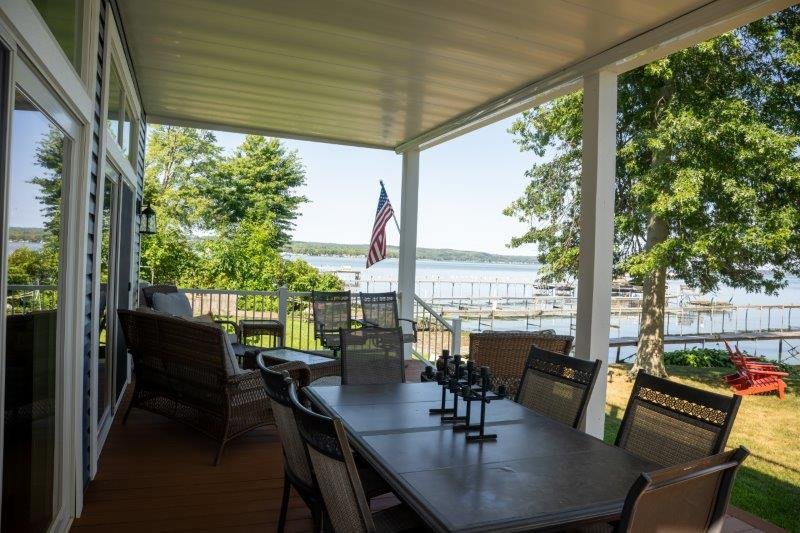
One of the most common mistakes homeowners make when designing an outdoor living space is planning for a version of life that doesn’t align with how they actually live. It’s easy to imagine hosting large gatherings every weekend or cooking elaborate meals in an outdoor kitchen. But if your day-to-day lifestyle is more low-key, or you’re rarely home, those features may go unused.
Before making design decisions, take a step back and think about how you realistically spend your time at home. If entertaining is a big part of your lifestyle, a larger seating area, dining table, or built-in grill could be a great fit. If it’s rare for people to visit, a more intimate setup with comfortable seating, shade, and a fire feature may make more sense.
Ultimately, the outdoor living spaces that bring the most joy aren’t the ones with the most features. They’re the ones that feel natural to use. Designing with your actual lifestyle in mind helps ensure the space becomes a seamless extension of your home, rather than an area that looks great but rarely gets used.
Simply put, for most homeowners, function should take priority over luxury. To help guide your decisions, consider:
- Your budget and time for upkeep and maintenance
- Your local climate
- What you actually enjoy doing in your free time
Historically, some of the most underutilized outdoor-related upgrades include:
- Swimming pools
- Sunrooms
- Garage conversions
While all of these features can be worthwhile investments, your budget, climate, and available time will ultimately determine how well they align with your lifestyle.
4. How Will You Define and Organize the Space?
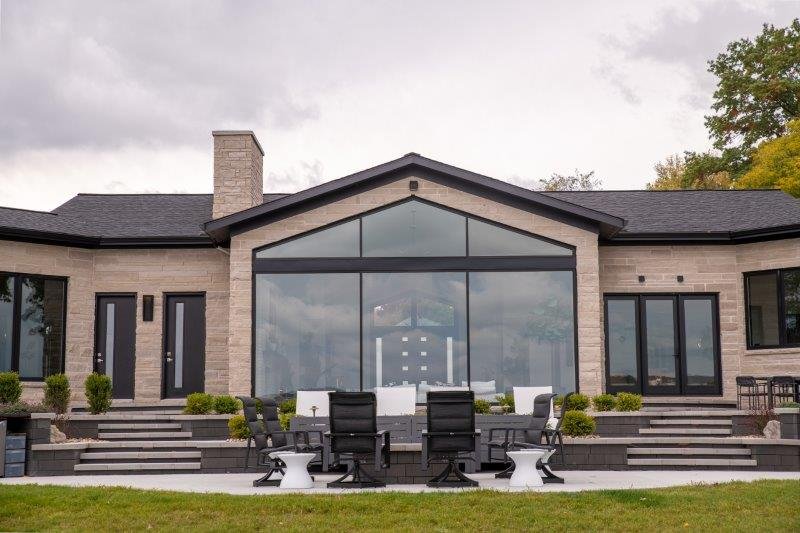
Once you’ve determined how you want to use your outdoor living area, the next step is organizing it in a way that feels intentional. One of the easiest ways to elevate an outdoor space is to create clearly defined zones, much like rooms in your home.
Rather than treating your yard or patio as a single open area, consider how different activities can have their own designated spaces. For example, you might have a dining area for meals, a lounge space for relaxing, and a separate zone centered around a fire feature or conversation area. Even smaller outdoor spaces can benefit from this kind of structure.
Defining zones doesn’t necessarily require walls or major construction. Subtle design elements can do the job effectively, such as changes in materials, outdoor rugs, furniture groupings, lighting, and landscaping features.
Well-defined zones not only enhance the look of your outdoor space but also make it more functional. Guests intuitively understand where to gather, dine, or relax, and the space feels more cohesive overall.
When done right, zoning helps transform an outdoor area from a single-use space into a dynamic extension of your home, where multiple activities can happen comfortably at the same time.
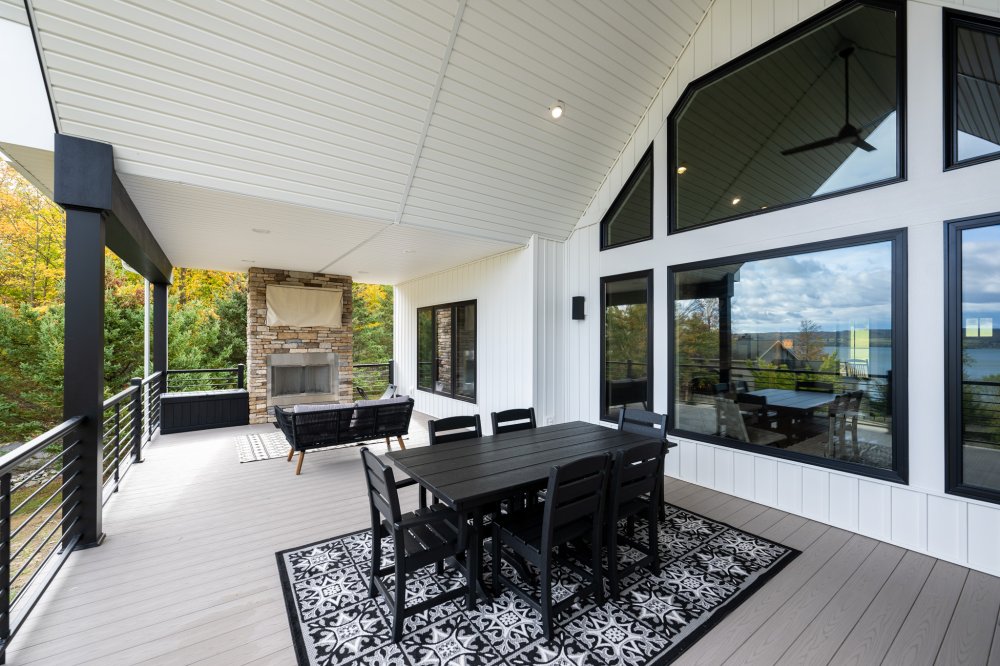
5. How Will You Create Privacy?
Privacy is one of the most overlooked elements of outdoor living space design. Before finalizing your layout, consider how visible your outdoor space is from other homes. If your neighbors are close by, there are several ways to create a more private and comfortable environment:
- Landscaping: Trees, shrubs, and hedges can provide natural screening while enhancing the overall look of your space. Arborvitae are one of the most common hedges used for privacy.
- Fencing or privacy panels: If you’re looking for an effective, low-maintenance solution, fences and privacy screens are excellent options. You can also combine your fence with landscaping for a more natural look.
- Space structure: Pergolas, covered patios, and strategically placed walls can create a sense of enclosure without making the area feel closed off.
- Curtains and screens: If you’re looking for a quick and affordable solution, outdoor curtains and screens can do the trick.
At the end of the day, privacy is about comfort. When a space feels secluded and intentional, people are more likely to relax, entertain, and spend time outside. Designing with privacy in mind helps ensure your outdoor living area feels like a true extension of your home, not just an exposed addition.
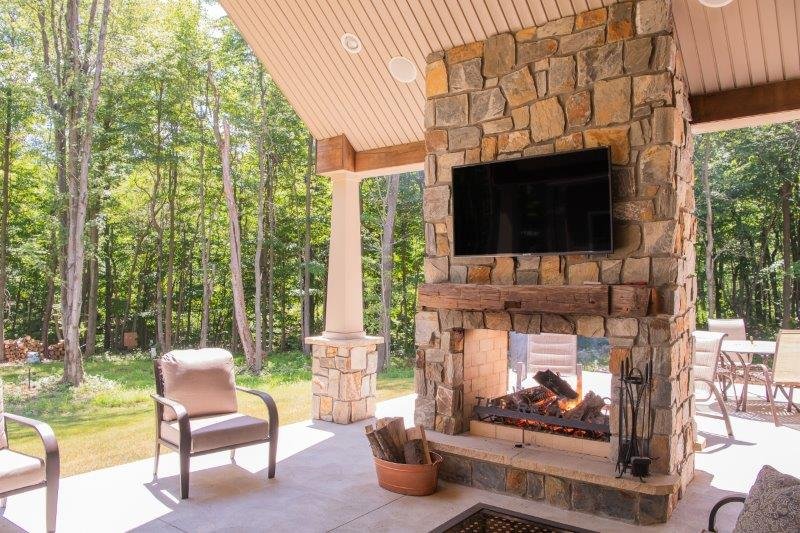
6. How Will You Light the Space?
While layout and materials define how the space looks during the day, lighting determines how usable and inviting it feels at night.
If you want to get the most out of your outdoor space, it’s important to think beyond a single overhead light or porch fixture. A well-lit outdoor area typically includes a mix of lighting types:
- Ambient lighting creates a “vibe.”
- Task lighting helps illuminate critical areas.
- Accent lighting highlights structural features.
Thoughtful lighting design can also extend how often you use the space. Without proper lighting, even the best-designed patio can go unused after sunset. With it, the space is just as functional in the evening as during the day.
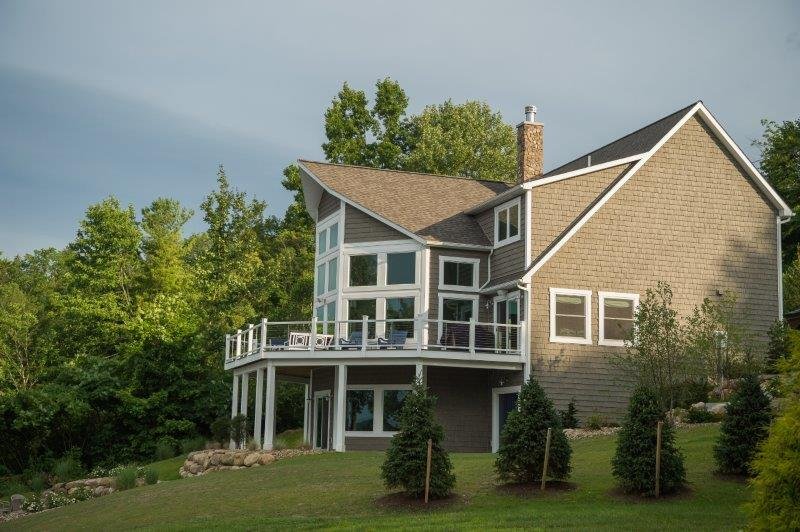
7. How Will Your Indoor and Outdoor Spaces Connect?
When you’re in the design process, think about how your outdoor and indoor spaces connect. Consider accessibility, flow, and usability.
Of course, visual continuity is just as important as physical access. Using complementary materials, colors, or design elements can help create a seamless transition. For example, carrying similar flooring tones, architectural features, or color palettes from inside to outside can make the entire space feel more cohesive. Large openings, such as sliding glass doors, can further blur the line between indoor and outdoor living.
When indoor and outdoor spaces are thoughtfully connected, the entire home feels larger, more functional, and more inviting. Instead of being an afterthought, the outdoor area becomes an integral part of everyday life.
Creating a Space You’ll Love
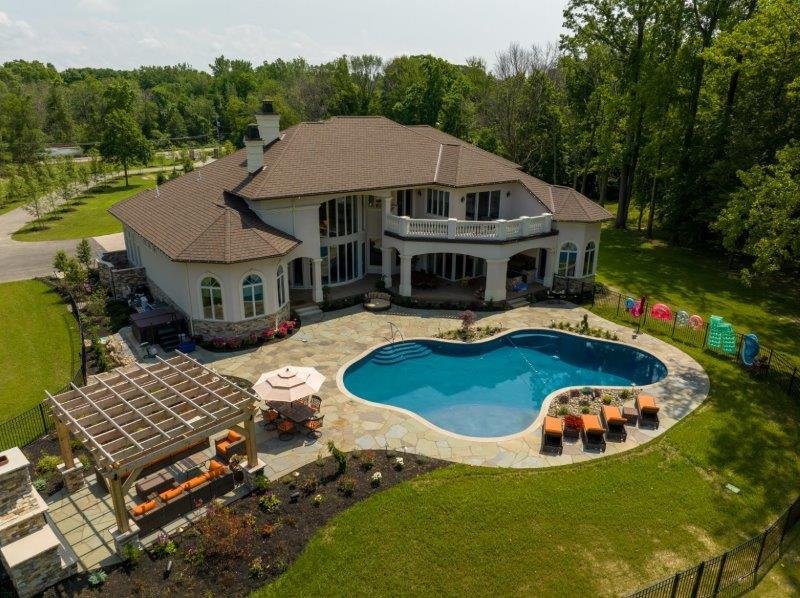
Designing an outdoor living space is ultimately about creating a place you’ll actually enjoy spending time in. Whether you’re hosting friends, relaxing with family, or simply enjoying a quiet evening outside, Maleno always recommends that homeowners consider outdoor spaces.
If you’re considering building a custom home, having a clear plan from the start can make all the difference. The team at Maleno brings years of experience in designing homes and outdoor spaces that are both functional and enduring. If you’re ready to explore what’s possible, reach out today to learn how we can help.